Behind the Song: Elvis Presley Sings “My Way” — A Powerful Reflection on Legacy
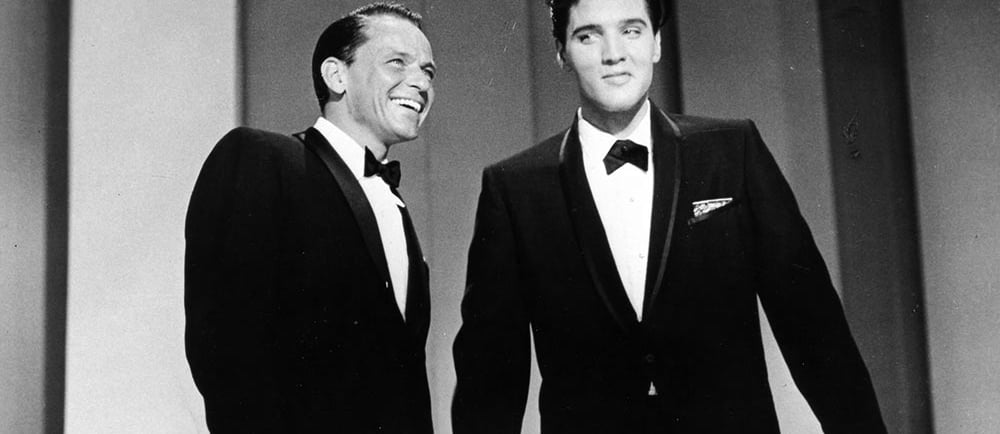
When Elvis Presley recorded My Way—the iconic song popularized by Frank Sinatra—it became far more than a simple cover. Captured for a CBS television recording and later released as part of his album catalog, Elvis’s version stands as one of the most emotionally charged performances of his later career. By the time Elvis sang My Way, he had lived every lyric.
MUSIC
12/20/20252 min read
Introduction
When Elvis Presley recorded My Way—the iconic song popularized by Frank Sinatra—it became far more than a simple cover. Captured for a CBS television recording and later released as part of his album catalog, Elvis’s version stands as one of the most emotionally charged performances of his later career.
By the time Elvis sang My Way, he had lived every lyric.
The Song’s Origins and Cultural Weight
My Way was already legendary before Elvis touched it. With lyrics about self-determination, regret, pride, and reflection, the song had become synonymous with Sinatra’s confident, end-of-career swagger.
For most artists, covering My Way was risky. For Elvis, it was inevitable.
Why Elvis’s Version Felt Different
Unlike Sinatra’s polished bravado, Elvis approached My Way with:
Weariness
Honesty
Emotional vulnerability
His voice—older, rougher, and lived-in—gave the song a sense of finality. This wasn’t a man boasting about success. It was a man taking inventory of his life.
The CBS Recording and Album Context
Elvis recorded My Way during his later career for a CBS television project, with the performance later appearing on album releases. At the time, Elvis was dealing with:
Physical decline
Intense public scrutiny
Reflection on decades of fame
That context made the lyrics hit harder—not just for listeners, but for Elvis himself.
Hear the song here: https://youtube.com/shorts/F5H6PeAc5SQ
A Performance Filled With Meaning
Key lines like “I did what I had to do” and “I faced it all and I stood tall” sounded autobiographical coming from Elvis. Fans and critics alike recognized that this wasn’t just a song choice—it was a message.
Many consider this performance:
One of Elvis’s most honest recordings
A spiritual cousin to his gospel work
A defining late-career statement
Why This Recording Still Resonates Today
Decades later, Elvis’s My Way continues to resonate because it captures something universal:
Looking back without apology
Owning both triumphs and failures
Accepting a complicated legacy
It remains one of the most talked-about covers of the song, precisely because it feels so real.
Elvis, Sinatra, and Two Interpretations of the Same Truth
While Sinatra’s My Way feels triumphant, Elvis’s feels reflective. Together, they show how the same song can mean entirely different things depending on who’s singing—and when.
That contrast is what makes Elvis’s version unforgettable.
Final Thoughts
When Elvis Presley sang My Way, it wasn’t about competition with Sinatra or chart success. It was about truth. Captured during a CBS recording and preserved on album, the performance stands as one of the most emotional moments in Elvis’s musical legacy.
It wasn’t flashy.
It wasn’t perfect.
But it was honest—his way.