The Significance of Luigi’s Mansion on Nintendo GameCube: How Luigi Finally Stepped Into the Spotlight
When Luigi’s Mansion launched alongside the Nintendo GameCube in 2001, it did something rare in gaming history: it handed the spotlight to Nintendo’s most famous sidekick and let him stand on his own. What could have been a risky experiment became one of the most important and influential games of the GameCube era. More than just a launch title, Luigi’s Mansion redefined Luigi’s character, introduced a new gameplay formula, and helped shape Nintendo’s approach to creative risk-taking in the early 2000s.
VIDEO GAMES
The Significance of Luigi’s Mansion on Nintendo GameCube: How Luigi Finally Stepped Into the Spotlight When Luigi’s Mansion launched alongside the Nintendo GameCube in 2001, it did something rare in gaming history: it handed the spotlight to Nintendo’s most famous sidekick and let him stand on his own. What could have been a risky experiment became one of the most important and influential games of the GameCube era. More than just a launch title, Luigi’s Mansion redefined Luigi’s character, introduced a n
12/15/20253 min read
The Significance of Luigi’s Mansion on Nintendo GameCube: How Nintendo’s Most Nervous Hero Made History
When Luigi’s Mansion launched in 2001 as a Nintendo GameCube launch title, it immediately stood out. Instead of a traditional Mario platformer, Nintendo introduced a quiet, atmospheric adventure starring Mario’s often-overlooked brother. What seemed like a gamble became one of the most important games of the GameCube era.
More than two decades later, Luigi’s Mansion is remembered not just as a fun game, but as a turning point for Nintendo, for Luigi as a character, and for how atmosphere and personality could drive gameplay.
If you want a quick reminder of how unforgettable this experience began, the game’s intro perfectly sets the tone:
👉 https://youtube.com/shorts/hFe7-tIKRV4
Luigi Finally Takes Center Stage
Before Luigi’s Mansion, Luigi was largely defined by his relationship to Mario. He appeared alongside him, raced him, and occasionally mirrored him — but rarely stood on his own.
Luigi’s Mansion changed that forever.
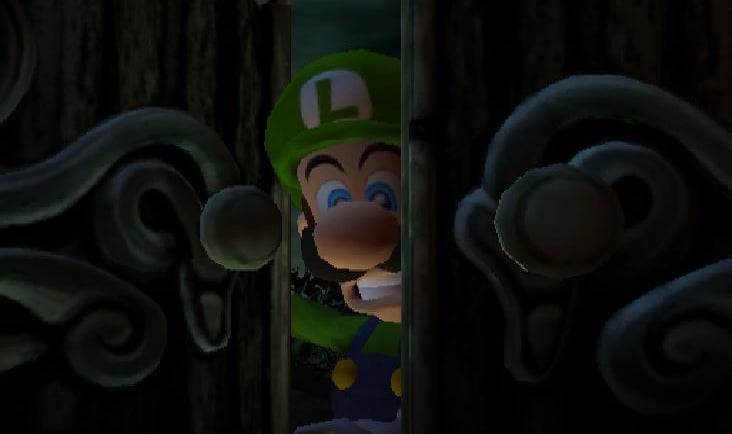
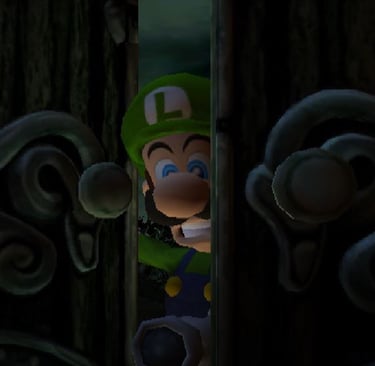
From the very first moments of the intro clip, Luigi is portrayed as:
Nervous and hesitant
Expressive and emotional
Reluctant, but ultimately brave
His exaggerated animations and fearful reactions gave him a distinct identity that resonated with players. This was the first time Luigi felt like a fully realized main character, not just a palette swap.
You can see this personality shine immediately in the opening sequence:
👉 https://youtube.com/shorts/hFe7-tIKRV4
A Bold and Unexpected GameCube Launch Title
At the time of the GameCube’s release, many fans expected a traditional 3D Mario game. Instead, Nintendo launched with something slower, moodier, and more experimental.
This decision was significant because it demonstrated:
Nintendo’s willingness to take creative risks
Confidence in new gameplay ideas
A shift toward atmosphere-driven experiences
Luigi’s Mansion wasn’t about speed or jumping precision — it was about tension, exploration, and discovery.
Innovative Gameplay That Broke the Mario Formula
Rather than defeating enemies by jumping on them, Luigi captures ghosts using the Poltergust 3000, a vacuum-like device that became one of the game’s defining features.
This mechanic introduced:
Physics-based combat
Light-based ghost interaction
Analog control tension as ghosts resisted capture
The result was gameplay that felt fresh, strategic, and entirely unique within Nintendo’s catalog.
Atmosphere That Defined the Experience
One of Luigi’s Mansion’s greatest achievements is its atmosphere. The mansion feels alive — full of subtle sounds, flickering lights, and environmental storytelling.
Key elements included:
Minimalist background music
Real-time lighting effects
Echoing footsteps and ambient noises
Carefully designed room layouts
The intro clip immediately establishes this eerie tone, pulling players into the mansion before gameplay even begins:
👉 https://youtube.com/shorts/hFe7-tIKRV4
A Technical Showcase for the Nintendo GameCube
As a launch title, Luigi’s Mansion served as a technical showcase for the GameCube’s capabilities. The game featured:
Smooth character animation
Expressive facial details
Real-time lighting and shadows
Physics-based environmental interactions
Even today, the game holds up visually thanks to its stylized art direction and strong animation work.
Redefining Luigi’s Legacy
The success of Luigi’s Mansion permanently reshaped Luigi’s role within the Nintendo universe. From this point forward, Luigi was no longer just “Mario’s brother.”
Nintendo embraced this version of Luigi in future games:
More emotional
Slightly cowardly
Relatable and endearing
This identity carried through sequels and spin-offs, turning Luigi into one of Nintendo’s most beloved characters.
Influence on Nintendo’s Creative Direction
Luigi’s Mansion helped prove that Nintendo could succeed by:
Experimenting with genre
Prioritizing atmosphere over action
Giving supporting characters leading roles
Its success encouraged Nintendo to pursue other unconventional ideas during the GameCube era, influencing games like Pikmin and Animal Crossing.
Why Luigi’s Mansion Still Matters Today
Decades after its release, Luigi’s Mansion remains:
One of the most iconic GameCube games
A standout launch title
A foundational entry in Nintendo history
Its blend of charm, creativity, and subtle tension continues to attract both longtime fans and new players.
Rewatching the intro today is a powerful reminder of how different — and how special — the game felt from the very beginning:
👉 https://youtube.com/shorts/hFe7-tIKRV4
Final Thoughts
Luigi’s Mansion wasn’t just a launch title — it was a statement. It proved that Nintendo could redefine characters, take creative risks, and build unforgettable experiences around mood and personality.
By giving Luigi his moment, Nintendo didn’t just create a great game — it created a lasting legacy that still echoes throughout gaming history.